Orthognathic surgery
Schedule a personalized consultation
This procedure is recommended for individuals suffering from malocclusion, facial disharmony, or sleep apnea. While an orthodontist works on each tooth individually, a maxillofacial surgeon restores facial balance by working on the underlying bone structures. Orthognathic surgery is therefore recommended to treat teeth alignment issues primarily caused by a discrepancy between the upper and lower jaws that cannot be treated solely with braces or orthodontic procedures.

Consequences of jaw misalignment
The effects of jaw misalignment can take several forms depending on the patient’s specific condition. For example, if the mandible (lower jaw) is too small or recessed, the individual may suffer from sleep disorders such as obstructive sleep apnea or snoring. In addition to making chewing difficult, poor dental and skeletal alignment between the mandible and the maxilla (upper jaw) can lead to speech problems and periodontal health issues. These problems can also be exacerbated by the emergence of wisdom teeth.
In addition to functional consequences, jaw misalignment often affects facial balance, which influences overall appearance and aesthetics. Examples include facial asymmetry or a receding or overly prominent chin. Repositioning the upper and lower jaws restores optimal chewing and swallowing functions while achieving facial balance and a harmonious profile. A consultation with an oral and maxillofacial surgeon will allow you to explore various treatment options.

What is orthognathic surgery?
The goal of orthognathic surgery is to restore the ideal alignment of the jaws relative to each other, correcting certain types of malocclusion and restoring facial harmony. The maxilla (upper jaw) and the mandible (lower jaw) are properly repositioned across three spatial axes in relation to the rest of the skull and facial skeleton. This type of surgery can also treat obstructive sleep apnea. By advancing both jaws, the airways are widened and cleared of obstruction.
Depending on the clinical presentation, the surgical intervention may involve both jaws or just one, and may also include a genioplasty (chin surgery). The most common maxillary surgery is a LeFort I osteotomy, while the mandible is typically treated with a bilateral sagittal split osteotomy.
Although orthognathic surgery often has dramatic effects on facial appearance and aesthetics, it is not a cosmetic procedure. The intervention is primarily aimed at correcting functional problems.

Who is orthognathic surgery for?
Candidates for this surgery generally experience several problems related to chewing and swallowing, speech difficulties, breathing issues, or a certain level of self-consciousness regarding their facial appearance.

Before my orthognathic surgery
Before starting any process, a consultation is necessary to properly plan the treatments. Most often, patients visit us initially upon the recommendation of their orthodontist. This first appointment is primarily an information session where we can confirm the pathology, ensuring we are on the same page as your orthodontist regarding the proposed treatment. Most importantly, we will discuss what your surgery will involve, the recovery process, and the primary risks associated with the procedure.
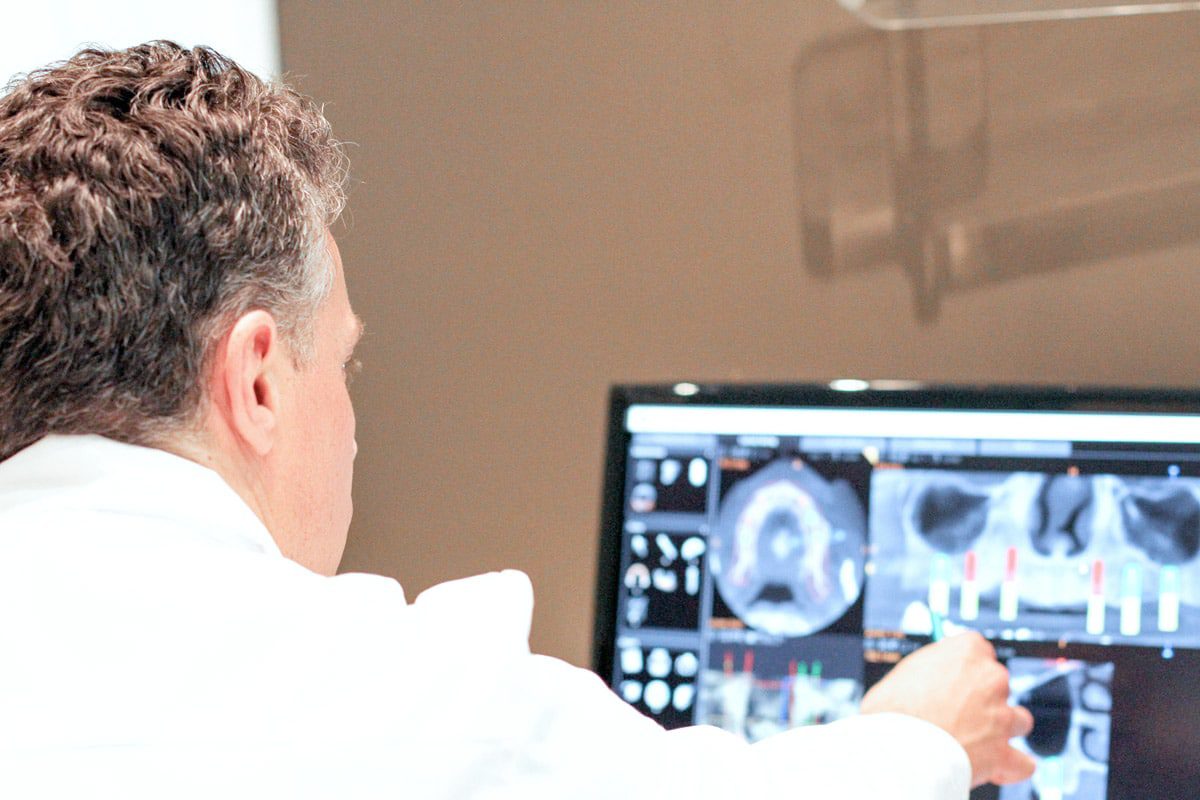
Once orthodontic preparation is complete, a new clinical and radiological evaluation allows us to precisely determine where to reposition the bone structures. Often, our surgeons perform 3D virtual planning of the procedure to achieve optimal, precise results and determine the best approach based on the patient’s condition.
Finally, the surgical intervention will be performed at one of our affiliated hospitals under general anesthesia. Depending on the type of procedure, a short hospital stay, generally one to two days, may follow.
For more information on pre-treatment steps and tips to optimize recovery, please consult our instruction pages.
Post-operative instructions for orthognathic surgery
Following orthognathic surgery, adhering to post-operative instructions is crucial for smooth healing and optimal functional and aesthetic results. Learn about proper care, diet, pain management, and recommended follow-up by consulting our detailed post-operative instructions.